

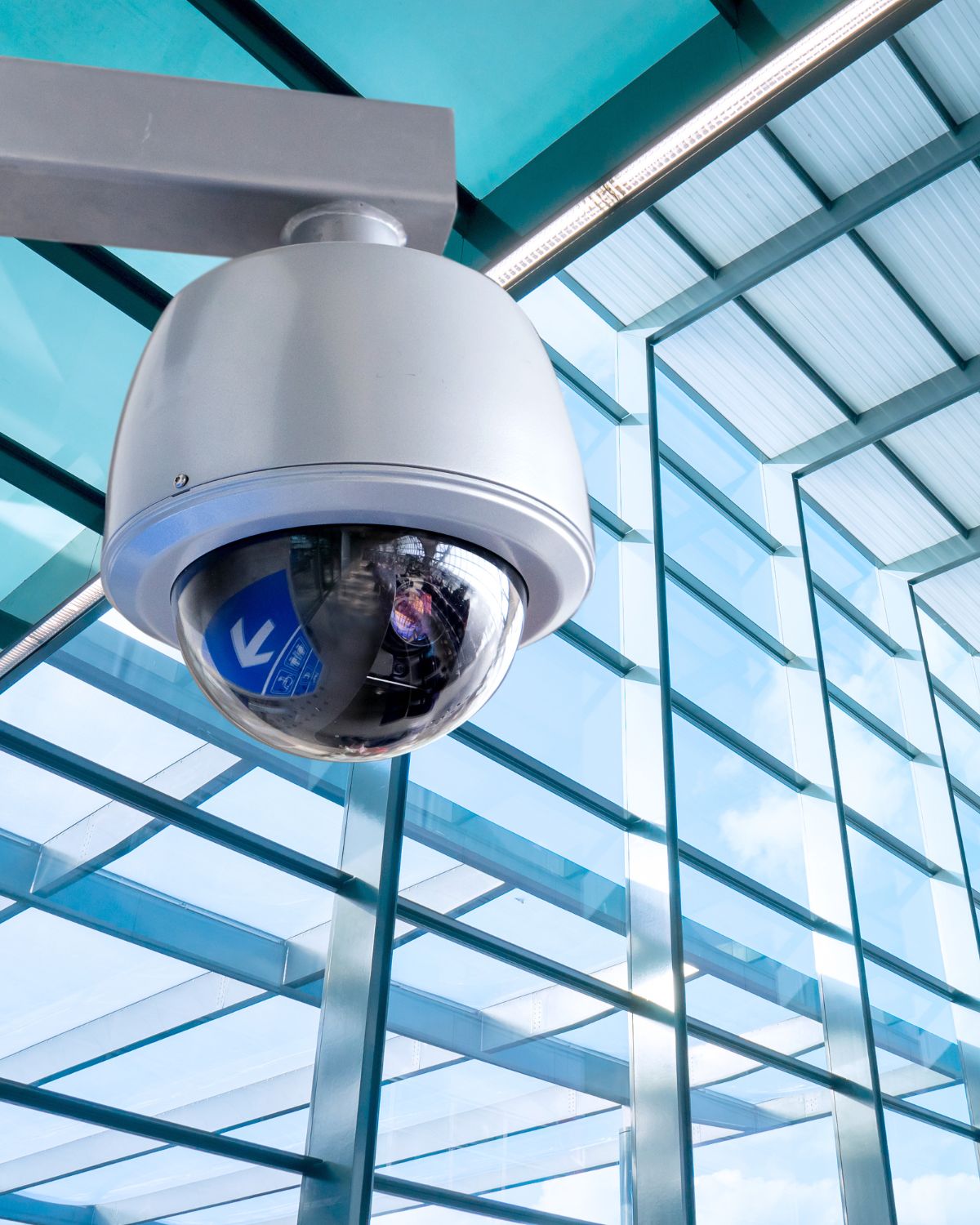
CCTV cameras are one of the most effective ways to monitor and secure residential and commercial properties in the GTA. Whether you have seen them outside retail stores, in parking lots, or around neighbourhood homes, these devices play a key role in deterring crime and capturing evidence.
But how exactly do CCTV cameras work? This guide explains the working principle of CCTV cameras, the key components, and why professional installation from Sense Group ensures reliable protection.
What Is a CCTV Camera?
CCTV stands for Closed-Circuit Television. Unlike regular broadcast television, CCTV systems send video signals to a limited set of monitors, DVRs, NVRs, or apps, making them “closed circuit.”
CCTV cameras capture video using lenses and sensors, transmit it via cables or Wi-Fi, and then store or display it through recording devices or cloud systems. This allows homeowners and businesses to monitor their property 24/7, both on-site and remotely.
Learn more in our article: What Is CCTV Security Camera?
How Do CCTV Cameras Work Step by Step?
CCTV cameras follow a clear process to capture, transmit, and display video. Each stage plays a vital role in keeping your surveillance system effective.
1. Image Capture
- The camera lens collects light and directs it to a sensor, either CMOS or CCD.
- The sensor converts this light into electrical signals that form the basis of the video.
2. Video Processing
- These signals are processed into usable video data.
- In IP cameras, the footage is digitized immediately.
- In analog cameras, raw signals are sent to a DVR for processing.
3. Transmission
- Wired cameras transmit signals through coaxial or Ethernet cables.
- Wireless cameras send data over Wi-Fi, offering more flexibility but relying on network strength.
4. Storage
- Footage is stored on DVRs for analog systems or NVRs for IP systems.
- Many modern setups also include cloud storage, providing secure off-site backups.
5. Viewing
- Video can be viewed live or recorded on monitors, laptops, or mobile apps.
- Advanced systems integrate with access control, offering smarter and more centralized security management.
Together, these steps explain how CCTV cameras continuously record, process, and deliver video to keep your property monitored at all times.
What Are The Key Components of CCTV Systems?
For a CCTV system to work effectively, several parts must function together. Each component plays an important role in capturing, transmitting, and viewing video footage.
- Cameras: Bullet, dome, PTZ (Pan-Tilt-Zoom), or IP cameras.
- Recording Devices: DVRs for analog cameras, NVRs for IP cameras.
- Cables: Coaxial or Ethernet for wired setups.
- Power Supply: PoE (Power over Ethernet) or DC adapters.
- Storage: Hard drives or cloud storage.
- Viewing Devices: Monitors, laptops, or mobile apps.
- Networking Equipment: Routers, access points, and switches.
What Are The Different Types of CCTV Cameras?
Different cameras work in slightly different ways:
- Analog CCTV Cameras
- Capture raw signals and send them to a DVR.
- Lower resolution but cost-effective.
- IP Cameras (Network Cameras)
- Capture and digitize video at the source.
- High-resolution with features like motion alerts and remote access.
- Wireless Cameras
- Connect via Wi-Fi instead of cables.
- Easier to install, but require stable internet.
- PTZ Cameras
- Allow remote control to pan, tilt, and zoom.
- Common in commercial surveillance setups.
Learn more about Smart Security Camera Installation.
How Do CCTV Cameras Work at Night?
Most modern CCTV cameras include Infrared (IR) LEDs that provide night vision.
- In low light, the IR filter activates, allowing cameras to see in the dark.
- IR LEDs illuminate the area with light invisible to the human eye.
- The camera records in black and white at night for clarity.
For advanced setups, check out our High-Definition CCTV Installation Services.
What Are The Benefits of CCTV Cameras?
Installing CCTV cameras is one of the most effective ways to enhance property security and improve daily oversight. Whether you own a house or operate a growing company in Ontario, a professionally installed surveillance system helps you stay aware of what’s happening at all times. Modern cameras combine high-resolution video, motion detection, remote access, and reliable storage — giving you stronger control over safety.
For homeowners, CCTV cameras add a dependable layer of protection while making everyday life easier. You can monitor activity in real time and respond quickly if something looks off.
Key benefits for homes include:
- Crime deterrence: Visible cameras discourage intruders and reduce the risk of break-ins.
- Remote monitoring: View live footage on your smartphone from anywhere, at work or on vacation.
- Family safety: Monitor children, elderly family members, or service providers.
- Package protection: Prevent porch theft with clear video evidence.
- Night coverage: Infrared technology helps capture activity even in low-light conditions.
For companies, commercial security cameras support both protection and operational awareness. From small retail shops to logistics facilities, the right setup helps reduce losses and maintain a safer workplace.
Major benefits for businesses include:
- Loss prevention: Discourage shoplifting, internal theft, and unauthorized access.
- Employee oversight: Promote accountability and support workplace safety practices.
- Evidence collection: Access recorded footage to resolve disputes or assist investigations.
- Wide-area monitoring: Commercial camera systems cover entrances, inventory zones, parking lots, and loading docks.
- Scalable security: Expand your system as your business grows without replacing existing infrastructure.
At Sense Group, we install advanced commercial camera systems that integrate with access control, network cabling, and NVR technology. The result is dependable surveillance built for long-term performance — helping Ontario homeowners and businesses protect what matters most.
What Are The Common Mistakes to Avoid?
When setting up CCTV cameras, avoid these issues:
- Installing cameras too low makes them easy to tamper with.
- Poor cable management leaves wiring exposed to weather or vandalism.
- Wrong placement, pointing at sunlight or reflective glass, reduces effectiveness.
- Relying only on Wi-Fi may cause interruptions in GTA areas with weak coverage.
For better coverage, see our Network Cabling Services.
When to Call Sense Group?
DIY CCTV setups work for small projects, but many GTA homeowners and businesses call Sense Group for professional installation. You should contact us if:
- You need a custom surveillance system for residential or commercial use.
- You want a remote viewing setup on laptops or mobile apps.
- You require integration with smart systems.
- You want high-quality cabling for reliable connections.
- Your current system is outdated or no longer secure.
We provide security camera installations across the GTA, including Barrie, Caledon, Kitchener, and more. Every project is backed by a 3-year warranty and professional support.