

Commercial theft in Ottawa is growing more complex and costly. In recent years, distribution centres, construction yards, and after-hours storefronts have reported sharp increases in break-ins and vandalism.
Many of them target unmanned or low-staff zones. For many business owners, the aftermath includes lost inventory, delayed insurance claims, and unresolved incidents with no clear evidence.
At the same time, operations have evolved. Hybrid schedules and reduced headcounts during evenings leave more buildings vulnerable. Traditional surveillance systems, once used simply to record, now fall short of expectations.
Owners and managers are looking for smarter ways to prevent loss, ensure safety, and hold people accountable without creating extra work.
This guide examines how security camera trends in Ottawa businesses are evolving to meet these needs, combining smarter features, real-time tools, and responsible privacy management to better protect what matters.
Why Ottawa Businesses Are Relying on Smarter Security Camera Systems in 2026
Across Ottawa’s warehouse blocks, commercial plazas, and industrial parks, the way businesses use security cameras has changed. What was once seen as an optional deterrent is now essential infrastructure.
And the biggest change? Business owners aren’t just buying cameras. They’re investing in visibility, control, and insight.
When we talk about trends, we’re not chasing hype. We’re looking at adoption. What tools are actually being used by local operators to stay ahead of theft, reduce liability, and meet rising insurance requirements?
Warehouse and logistics operators in Ottawa are paying close attention because risks come from multiple directions, including external threats, internal shrinkage, property damage, and legal exposure.
And today’s systems don’t just record. They help:
- Detect problems in real time
- Provide instant mobile alerts
- Integrate with access controls
- Store secure, cloud-based footage
- Offer night vision or thermal imaging
- Create evidence for claims or disputes
- Reduce the need for constant human oversight
As commercial security evolves, these systems are becoming more practical than complex — and more necessary than optional. We’ll now explore the local risks pushing these changes forward.
Rising Commercial Risk in Ottawa Is Changing How Businesses Think About Security
In the past few years, Ottawa has seen a measurable uptick in business-targeted crimes, especially in warehouse zones, construction lots, and isolated commercial strips. Police reports indicate recurring break-ins and thefts, sometimes targeting the same location multiple times.
Insurance providers are responding by raising premiums and requiring proof of enhanced on-site security.
But it’s not just crime. Operational expectations are shifting. Employers are expected to protect not just assets, but people. Laws around workplace safety and data privacy have become more visible, and even mid-sized businesses are expected to follow modern standards.
Upgrades are no longer about convenience. They’re about business survival. Advanced surveillance tools support compliance, deter loss, and help with daily management. Like modern infrastructure tools that help detect issues early, such as camera inspections now used by Ottawa plumbers. Security systems today offer more than one function.
Many local companies are choosing to work with providers who understand these layered needs.
One example is Sense Group, a GTA-based security installer now working across Ottawa. They’ve helped clients set up smarter, AI-driven systems with remote access and cloud storage, for commercial and warehouse environments where incidents can be costly if not addressed early.
The demand for this kind of support is only growing. And it’s why so many businesses are making security a strategic priority.
Top Security Camera Trends in Ottawa for Commercial Properties
Security camera systems across Ottawa’s commercial landscape are no longer limited to just capturing video. Businesses are demanding more real-time alerts, smarter detection, safer data handling, and clearer images across wider areas.
These expectations aren’t just trends for trend’s sake. They’re tied to real threats, real inefficiencies, and real operational blind spots.
From retail to industrial warehousing, the push toward more responsive and intelligent security has created a wave of updates in the way surveillance is installed, accessed, and used.
Below are the top advancements business owners in Ottawa are prioritizing this year.
1: AI-Powered Surveillance Cameras
AI security cameras Ottawa businesses are installing today can analyze what’s happening. These cameras are built to recognize movement patterns, human behaviours, and specific objects or zones.
For instance, they can alert you when someone loiters near a door after hours, enters a restricted zone, or moves in a way that signals aggression. In larger retail stores or cannabis dispensaries, AI can even identify unusual patterns like people circling an aisle repeatedly or tailgating into employee-only spaces.
Compared to basic motion-triggered alerts, these cameras reduce false positives and give staff time to act, not react.
AI camera capabilities at a glance:
- Motion filtering based on shape and speed
- Line-crossing and intrusion detection
- Loitering recognition
- Behavioural pattern alerts
- Object left behind alerts
Business owners aren’t glued to video feeds anymore. AI handles the analysis, then notifies when it matters.
2: Edge Computing
Edge-based CCTV Ottawa companies are now processing footage right on the camera itself. That means data doesn’t have to travel far, and alerts can be delivered within seconds, even without a stable internet connection.
This is a big deal for facilities that operate across large sites or in industrial zones where coverage is patchy.
Plus, if the network goes down or there’s a power flicker, edge-enabled cameras continue to record and store footage locally.
3: Hybrid Cloud Storage for Cameras
Hybrid cloud security cameras Ottawa businesses are choosing provide a smart middle ground between local and cloud storage. It’s simple: important footage is stored on-site for quick access, but a copy is pushed to the cloud for secure backup.
This protects against theft, fire, or footage tampering, three of the most common loss scenarios commercial properties face after an incident.
It also allows owners and managers to review events even when they’re offsite or out of town.
For fast-growing operations with multiple stores or warehouse units, hybrid storage makes scaling easy. You don’t need to overbuild your on-site servers or invest in expensive bandwidth upgrades.
4: 4K, Low-Light, and Thermal Cameras
4K resolution gives sharper images, helping identify faces, license plates, and even uniforms clearly enough for enforcement or insurance purposes. Low-light sensors can capture clean video long after the sun sets.
Thermal imaging can detect people or animals in total darkness or heavy fog.
Recycling depots, vehicle yards, and remote utility stations are often upgrading to these types of units for exactly that reason.
5: Multi-Sensor, Pan-Tilt-Zoom, and Built-in Audio
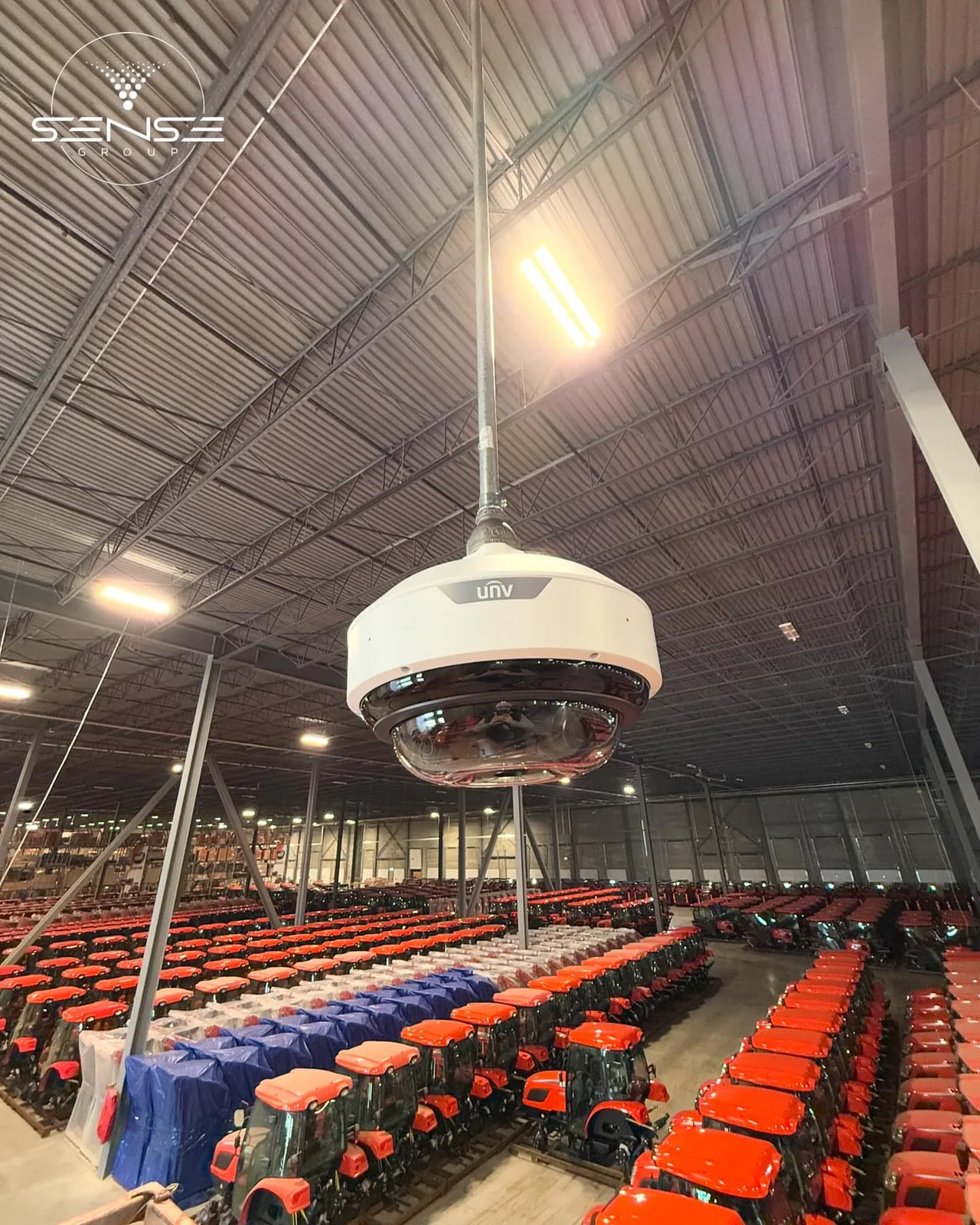
Well-designed security systems do more with less, and that’s where multi-sensor cameras shine. These devices combine multiple lenses into a single housing, capturing wider areas with fewer units.
That translates to lower hardware and cabling costs, faster installation, and fewer maintenance points.
Pan-tilt-zoom (PTZ) cameras are also growing in use for areas like indoor showrooms or long corridors. These can be set to auto-track motion or be manually controlled by security staff in real time.
Built-in audio warnings are another quiet trend. Some cameras now play pre-recorded messages when motion is detected after hours, a simple but powerful deterrent in entry zones.
6: Remote Access and Mobile Alerts Are Giving Owners Peace of Mind
For busy business owners, the ability to view cameras, get alerts, and even review past incidents from a phone is a plus.
Multi-location owners in Ottawa, from collision repair shops to restaurant groups, rely on this to check in during off-hours without calling a manager. Plus, they can respond faster when something does go wrong.
Dashboards are cleaner, more user-friendly, and allow playback or real-time views on the go. And permissions can be customized by staff role, so only the right eyes see the right things.
7: Security Cameras Are Now Part of Your Cybersecurity Plan
It’s easy to forget that IP cameras are network-connected devices. But like any connected device, they’re vulnerable to attacks if left unsecured. That’s why cybersecurity has become a non-negotiable part of modern surveillance.
Encryption, regular firmware updates, and proper password policies protect not just the camera, but the network it’s tied into. In offices with customer data or warehouses tied to POS systems, that’s critical.
Canada’s privacy laws, including PIPEDA, require the responsible handling of surveillance footage. Breaches can lead to fines, legal headaches, or reputation damage.
Security experts like Sense Group provide hardened, encrypted systems that protect both video data and the business’s wider IT network.
What Ottawa Business Owners Are Looking for in 2026 CCTV Systems
Security expectations have matured across Ottawa’s commercial sector. Owners are no longer satisfied with cameras that simply record events. They want systems that support faster decisions, reduce manual effort, and hold up under operational pressure. The conversation has shifted from “Do we need cameras?” to “Are our cameras doing enough?”
Most decision-makers now evaluate surveillance through a practical lens of reliability, accessibility, and long-term value.
Many have already learned through experience that reactive tools cost more over time than preventive ones. Insights around commercial security value have helped reinforce that perspective as businesses weigh risk against investment.
When selecting a system today, Ottawa operators tend to prioritize features that directly support daily operations:
- Smart alerts that flag unusual activity immediately
- Strong night vision for yards, docks, and rear entries
- Mobile access for quick checks without returning onsite
- Secure backup that prevents footage loss
- Integration with entry systems and alarms
- Clear image quality for investigations
- Flexible setups that scale as the business grows
Each feature points to a larger shift. Surveillance is now expected to assist management rather than sit quietly in the background. Owners want tools that prevent problems, not just document them.
Businesses that align their systems with these expectations often notice smoother workflows and fewer surprises. Next, it helps to understand what happens when upgrades are delayed too long.
The Hidden Cost of Holding Onto Outdated Security Systems
Outdated surveillance rarely fails all at once. Instead, it creates small gaps that compound over time. A blind spot near a loading area, grainy footage that can’t confirm a face, or recordings that vanish when hardware fails. Many owners only discover these weaknesses after an incident.
Older systems also struggle to meet current operational standards. Without smart alerts, teams respond more slowly. Without reliable storage, evidence disappears. Without remote access, managers rely on secondhand updates rather than seeing events firsthand.
Common risks tied to aging setups include:
| Operational Gap | Business Impact |
| Limited image clarity | Harder investigations |
| No cloud backup | Permanent footage loss |
| Delayed alerts | Slower response time |
| Poor coverage | Higher theft exposure |
| Unsupported firmware | Security vulnerabilities |
Well, the financial impact often stretches beyond stolen goods. Insurance disputes take longer, employee concerns rise, and customer trust can erode if incidents repeat.
Forward-thinking companies tend to treat upgrades as risk control rather than optional spending. Recognizing those warning signs early can prevent far greater disruption later.
How to Choose the Right Commercial Security Partner in Ottawa
Choosing a security system is only half the equation. How well it’s installed, maintained, and supported often determines whether it truly works when you need it. For Ottawa businesses, working with a knowledgeable local provider in warehouses and logistics yards makes a meaningful difference.
When evaluating security partners, here’s what to look for:
- Experience with commercial layouts like warehouses, storefronts, and multi-unit properties
- System design support, including camera placement, network configuration, and blind-spot elimination
- Expertise in integrated systems like cameras, alarms, access control, and remote viewing, all working together
- Clear knowledge of Canadian compliance laws like PIPEDA and Ontario workplace safety standards
- Responsive post-installation support with troubleshooting, maintenance, and warranty coverage
Many Ottawa-area businesses now turn to trusted providers like Sense Group, a company with over 14 years of experience installing CCTV, access control, cloud-managed surveillance, and remote monitoring systems across Ontario.
Their teams specialize in working with warehouses, auto shops, cannabis retailers, and commercial buildings needing modern, secure setups.
Whether you’re upgrading old hardware, expanding to new locations, or starting from scratch, working with a team that understands your industry can save time, reduce mistakes, and help you avoid costly oversights.
Final Verdict: Smarter Surveillance Is Becoming Core Business Infrastructure
Security cameras have moved far beyond their original role. For Ottawa’s commercial properties and warehouses, they now function as operational tools that support safety, accountability, and continuity. The trends shaping 2026 all point in the same direction: clearer insights, faster awareness, and stronger resilience.
Preparation often costs less than recovery. Businesses that invest thoughtfully tend to face fewer disruptions and maintain steadier operations. Those still relying on aging setups may find the risks growing each year.
Modern surveillance is no longer just about watching spaces. It is about understanding them and responding with confidence when it matters most.